Radon in Colorado: What Every Homeowner Should Know
Colorado has some of the highest radon levels in the United States. Because radon forms naturally in our soil and geology, homes across Denver and the Front Range may be affected — regardless of age, location, or construction type.
Professional testing is the only way to know your home’s radon level.
Why Are Radon Levels High in Colorado?
Colorado consistently ranks among the states with the highest radon levels in the United States. This is primarily due to the natural geology of the region.
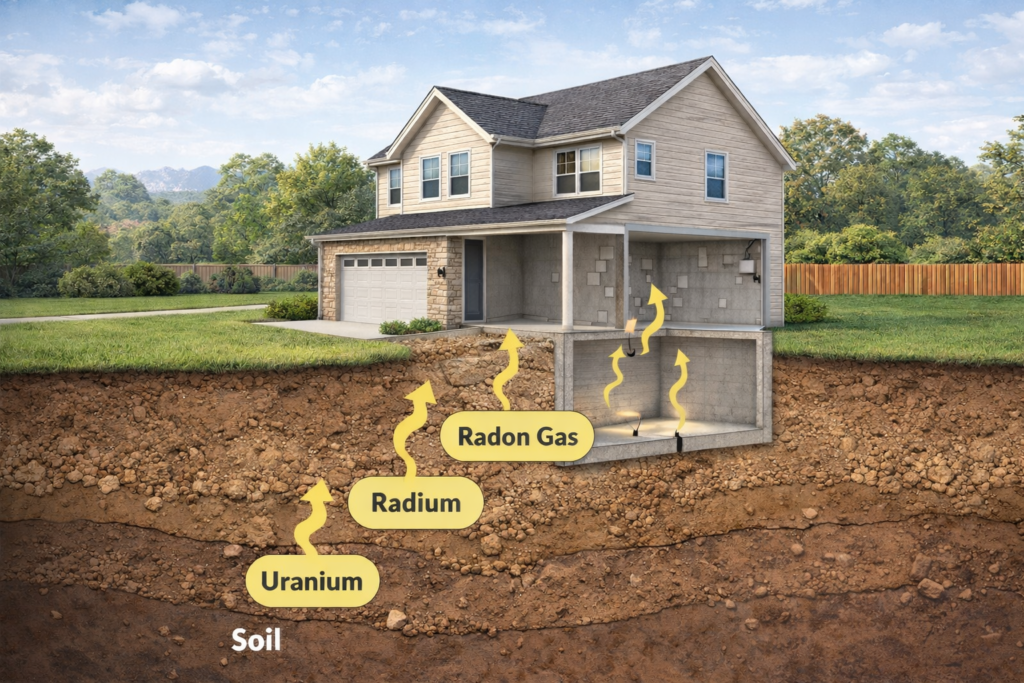
Radon gas forms from the breakdown of uranium found in soil, rock, and groundwater. Much of Colorado’s soil contains granite and uranium-rich formations that allow radon gas to move easily toward the surface.
As homes create pressure differences between indoor air and the surrounding soil, radon can be drawn inside through foundations, basements, and crawlspaces.
Where Is Radon Most Common in Colorado?
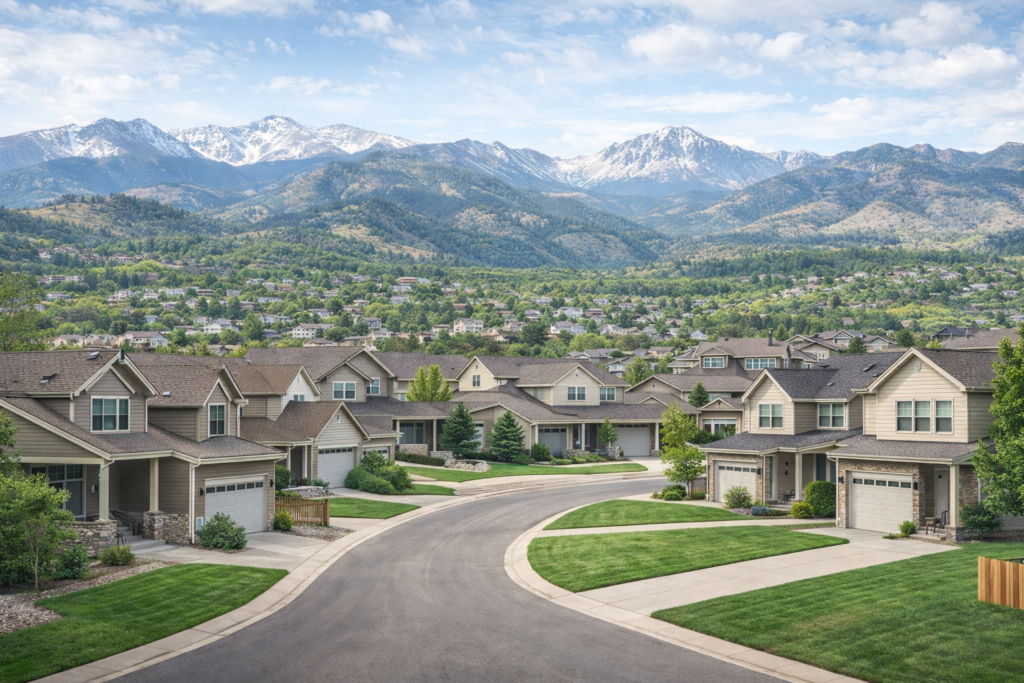
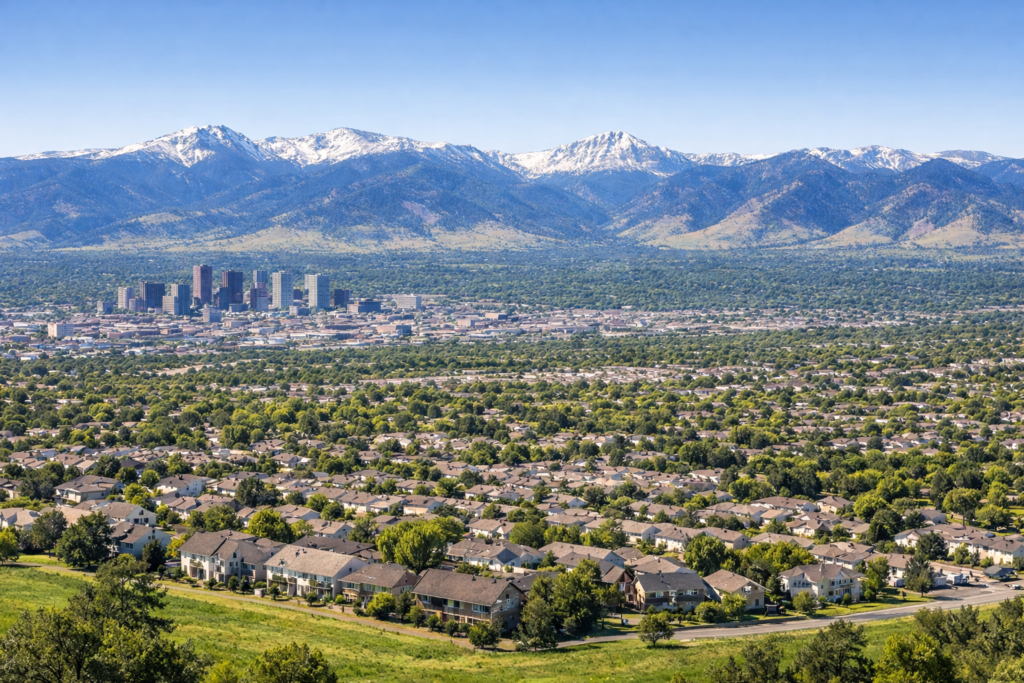
Radon can be found throughout Colorado, but certain regions consistently report higher concentrations due to soil composition and geological conditions.
Homes along the Front Range — including Denver, Aurora, Lakewood, Thornton, and surrounding communities — frequently test above the EPA action level of 4.0 pCi/L.
Elevated radon levels are common in both older homes and new construction. Modern energy-efficient homes can sometimes trap radon more effectively, allowing concentrations to build indoors.
Because radon levels vary significantly from one property to another, testing remains the only reliable way to determine exposure risk.
How Does Radon Enter Homes?
Radon gas forms naturally in the soil beneath homes and moves upward through the ground. Differences in air pressure between the soil and the interior of a home can draw radon gas inside.
Common entry points include foundation cracks, construction joints, sump pits, crawlspaces, basement slabs, and small openings around pipes or utility lines.
Because radon is invisible and odorless, homeowners typically have no warning signs when elevated levels are present indoors.
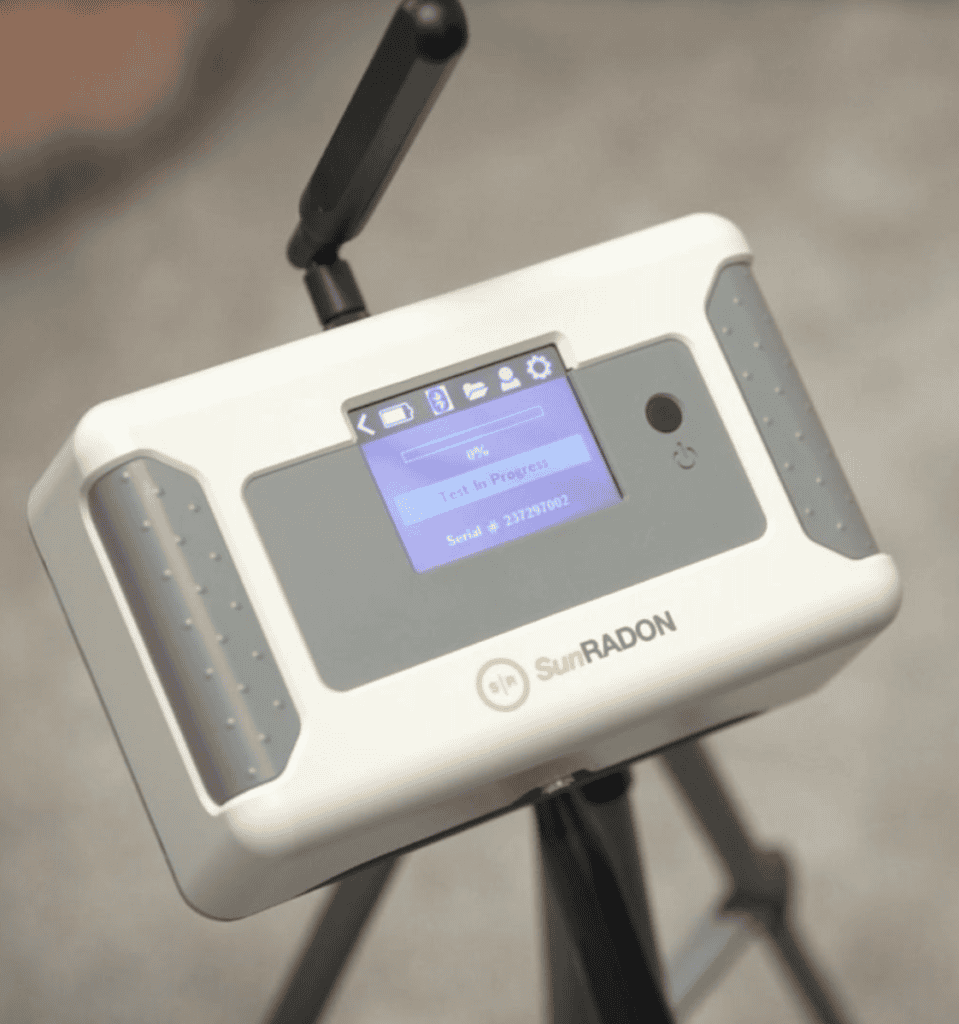
Why Radon Testing Is Essential in Colorado
Radon cannot be seen, smelled, or tasted. The only reliable way to know your home’s radon level is through professional testing.
In Colorado, elevated radon levels have been found in homes of all ages — including new construction properties built with modern energy-efficient standards.
Short-term and continuous radon testing provides accurate data that helps homeowners make informed decisions about their indoor air quality and long-term health.
Trusted Radon Testing Services Across Colorado
AirSafe Radon Solutions provides professional radon testing services for homeowners, buyers, sellers, and real estate professionals across the Denver Metro Area and Front Range communities.
Accurate testing. Clear results. Trusted local service.
Certified Testing Equipment
We use professional continuous radon monitors for accurate measurements
Local Colorado Experts
We understand regional soil conditions and radon risk areas.
Fast & Reliable Results
Clear reporting to help you make informed decisions quickly.
Serving Denver Metro & Front Range Communities
Radon Testing Services Across the Denver Metro Area
AirSafe Radon Solutions proudly provides professional radon testing services across Denver and surrounding Front Range communities.
We serve homeowners, homebuyers, real estate professionals, and property managers throughout:
Denver, Aurora, Lakewood, Thornton, Arvada, Westminster, Centennial, Littleton, Parker, Highlands Ranch, Broomfield, and nearby Colorado communities.
If you are located anywhere along the Front Range, our certified radon testing services provide accurate results and trusted local expertise.