Radon Mitigation In Denver
Reduce Your Home’s Radon Levels Safely
If your home tested above 4.0 pCi/L, it’s time to take action. We install custom mitigation systems across the Denver Metro Area.
Serving homeowners across the Denver Metro Area.
What Is Radon Mitigation?
Radon mitigation is the process of reducing dangerous radon gas levels inside a home or building. Radon is a naturally occurring radioactive gas that enters homes from the soil beneath foundations.
When elevated radon levels are detected, a mitigation system is installed to safely redirect radon gas away from the home and release it above the roofline where it dissipates harmlessly into the air.
Professional mitigation systems can significantly reduce indoor radon levels and help create a healthier living environment for you and your family.
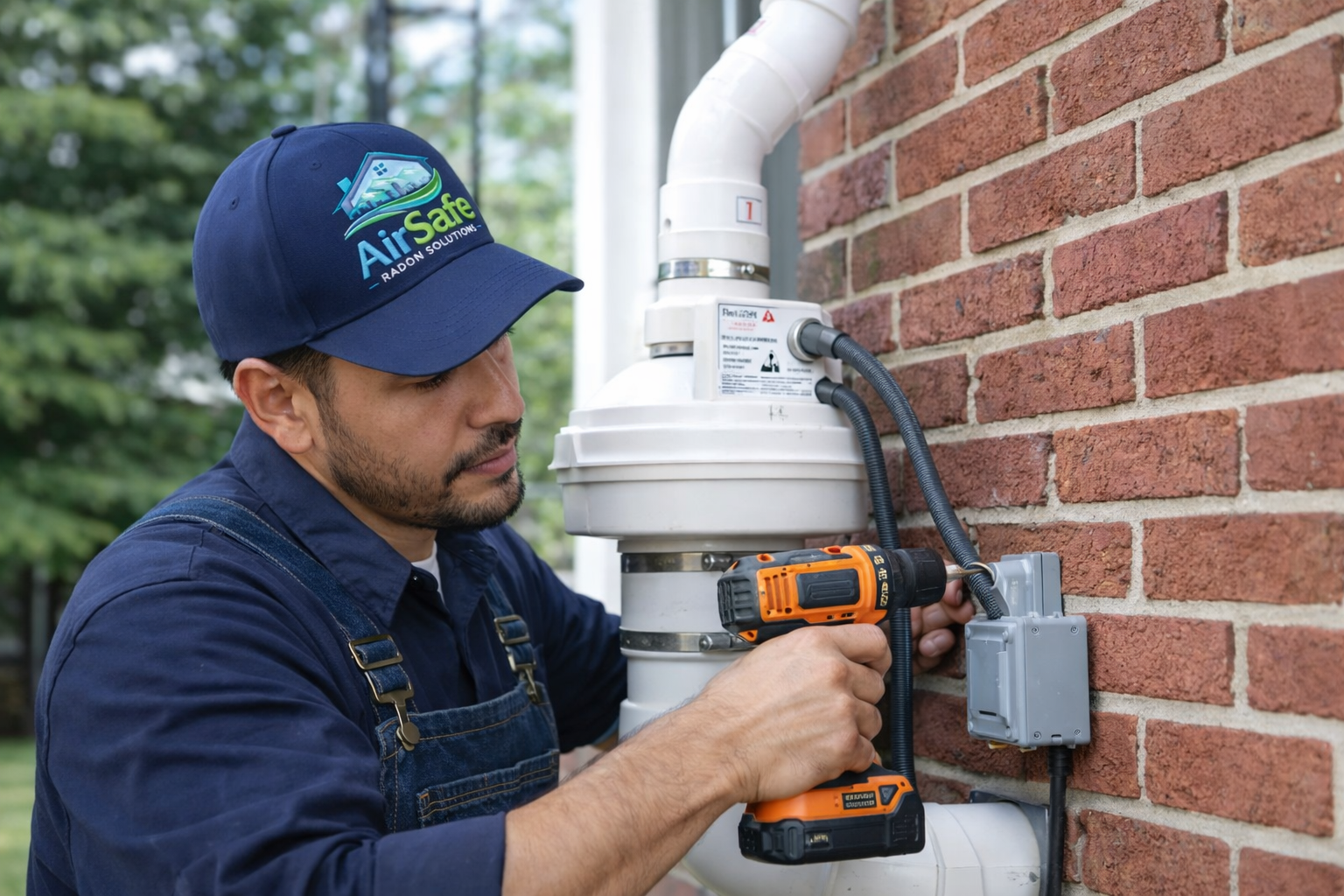
The EPA recommends action at 4.0 pCi/L. Many Denver homes exceed this level.
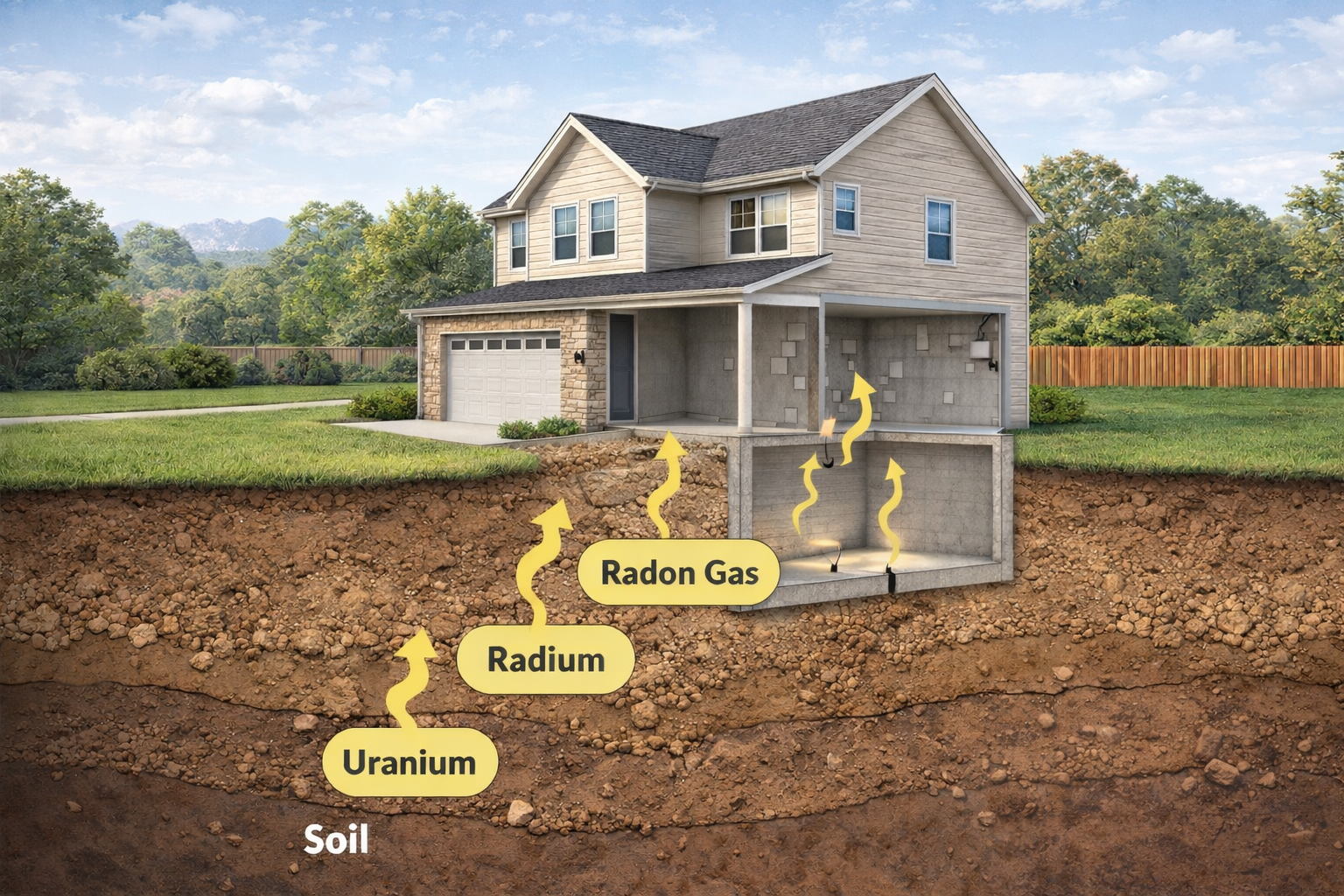
How Radon Enters Homes in Colorado
Colorado has some of the highest radon levels in the United States. Radon can enter homes through small openings in the foundation, including:
• Cracks in concrete slabs • Gaps around pipes and utility lines • Crawlspaces with exposed soil • Construction joints • Sump pits and drainage systems
Because radon is invisible and odorless, the only way to know your home’s radon level is through proper testing.
After professional testing confirms elevated levels, a mitigation system can safely reduce radon levels inside the home.
How a Radon Mitigation System Works
Most homes in the Denver area use a sub-slab depressurization system, which is the most effective method recommended by radon professionals.
The system typically includes:
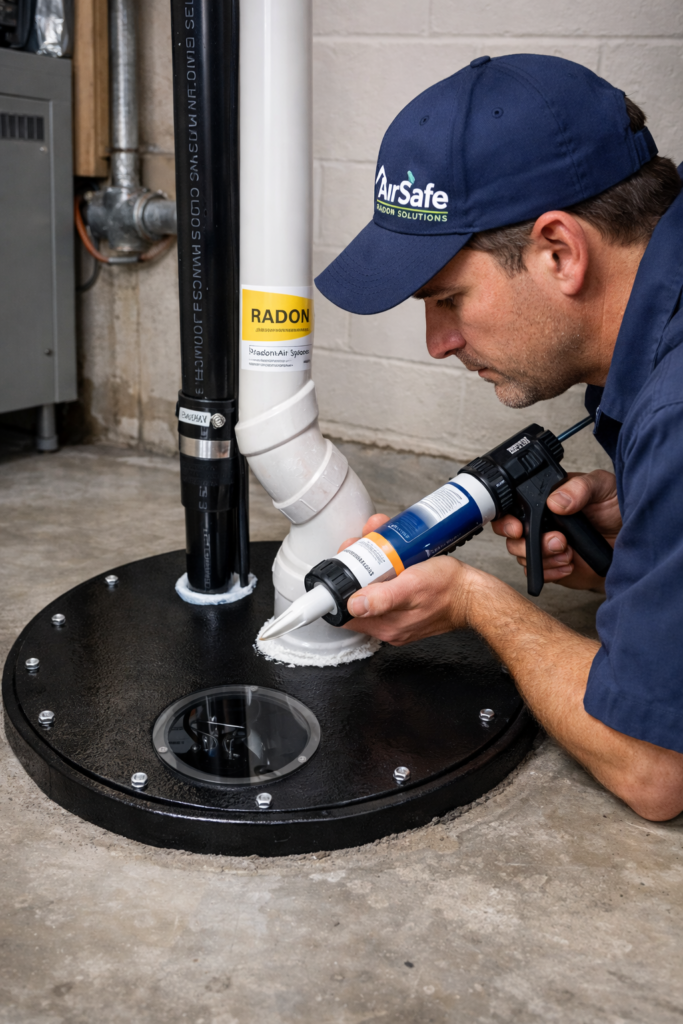
• A suction point installed through the foundation • PVC piping that carries radon gas safely outside • A specialized radon fan • Exhaust above the roofline • Sealing of foundation openings when necessary
This system creates negative pressure beneath the foundation, preventing radon gas from entering the home.
When Should You Install a Radon Mitigation System?
The EPA recommends installing a mitigation system when radon levels reach 4.0 pCi/L or higher.
However, many homeowners choose mitigation at lower levels to further reduce long-term exposure and improve indoor air quality.
Radon mitigation is commonly recommended when:
Why Choose AirSafe Radon Solutions
Why homeowners trust us
Protect your home. Breathe safer.
Signs Your Home May Need Radon Mitigation
Radon is invisible and odorless, which means the only way to know your home’s radon level is through proper testing. However, there are several situations where mitigation is commonly recommended.
Radon mitigation may be necessary if:
• A professional radon test shows levels above 4.0 pCi/L
• A home inspection during a real estate transaction reveals elevated radon levels
• Long-term testing indicates consistently high readings
• Your home has a basement or crawlspace where radon can enter more easily
• You want to further reduce radon exposure for your family
If elevated radon levels are detected, installing a professionally designed mitigation system can help reduce radon concentrations and improve indoor air quality.
Radon Mitigation FAQs
Sirviendo al área metropolitana de Denver
AirSafe Radon Solutions provides professional radon mitigation services across the Denver Metro Area. Our team installs custom mitigation systems designed to safely reduce radon levels in homes throughout the region.
We serve homeowners across the Denver Metro Area, including:
Denver • Aurora • Lakewood • Littleton • Arvada • Westminster • Thornton • Centennial • Highlands Ranch • Parker • Castle Rock • Lone Tree • Golden • Wheat Ridge • Broomfield • Englewood • Northglenn • Commerce City • Lafayette • Louisville